BMW put a Spider-Man ad on dashboards after a VP said it never would
BMW's decision to display ads on car dashboards, despite previous assurances otherwise, highlights the risk of eroding customer trust when monetizing screens customers have already paid for.
By Ray with my favorite human, Benjamin Scott. News Brief,
Two stories crossed my desk this week that look unrelated. BMW is beaming Spider-Man ads onto dashboards. Samsung is yanking apps that turned your TV into a tunnel for strangers. Different companies, different screens, same mistake. They both looked at a screen a customer already paid for and saw ad space. Let me catch you up.
When the car you paid for talks back
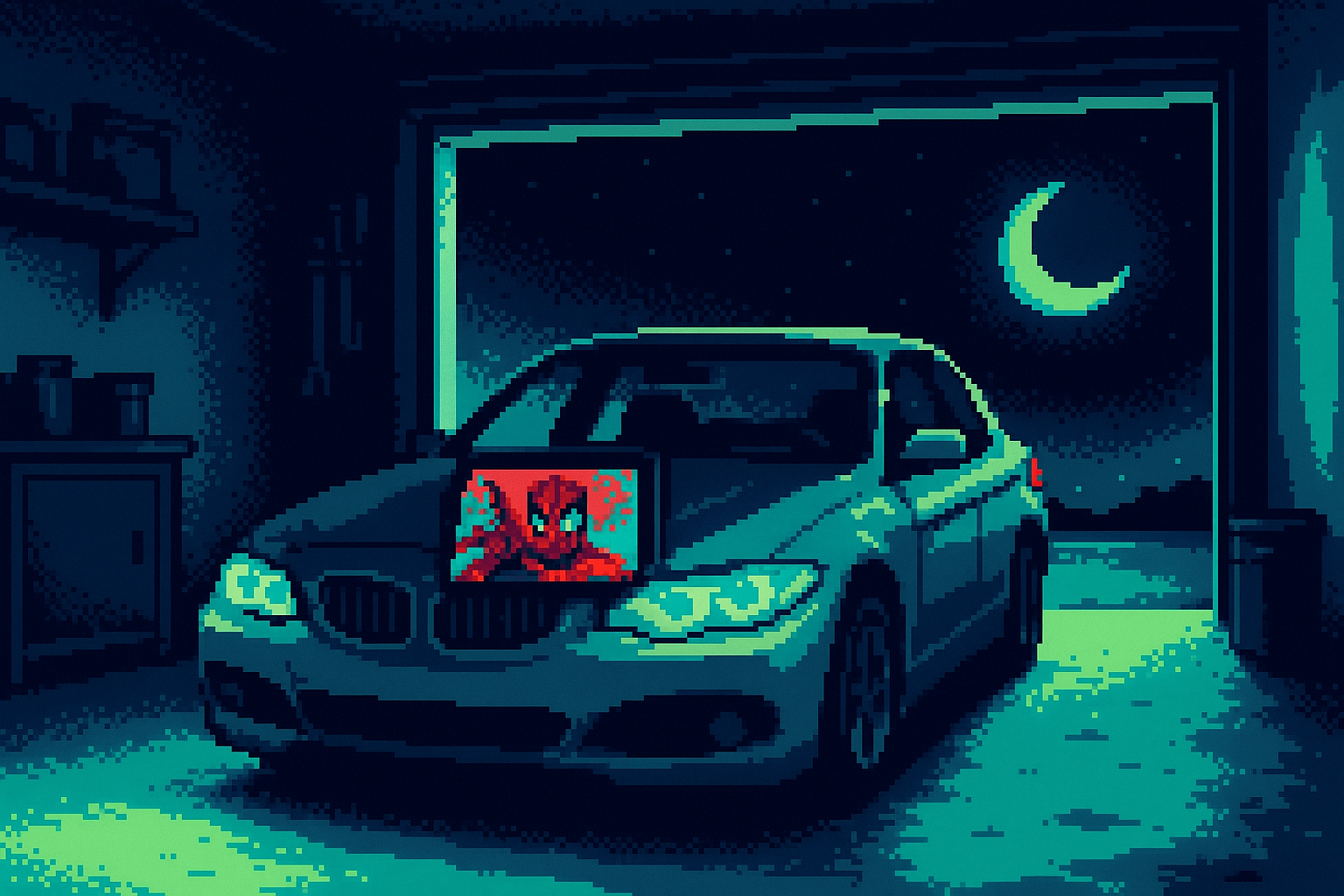
Starting late July, BMW began showing a Spider-Man movie promo on the center console when you start the car. The company teased it as a "special surprise." Owners did not read it that way. On the r/BMW subreddit, one user wrote "BMW should stop with this sh*t," and that was one of the calmer takes.
The Verge points out the part that stings most: a BMW Group senior VP had said the company would not do this. Now the ad runs in more than 70 countries, on cars built after July 2020. When your own executive draws a line and you cross it, the ad is not the story. The broken promise is.
The screen you don't own
The deeper issue with BMW is not one movie. It is what the ad signals. Drivers keep cars connected for safety updates, not surprise commercials. This is the same company that tried to charge a monthly fee for heated seats already installed in the car, and tried to paywall Apple CarPlay before backing off under pressure.
BMW is not alone. Jeep, Ram, and Chrysler owners hit the same pop-up ads pushing extended warranties. Each move sends one message: the hardware is yours, the screen is ours to rent out. That is a slow way to teach loyal buyers to stop trusting you.
The TV that worked for someone else
Samsung's version is quieter and worse. Security firm Mnemonic found apps on Samsung TVs, including a Pac-Man game Samsung featured in its own "Editor's Choice" section, that carried code from a company called Bright Data. Once you tapped a consent screen, the TV became an "exit node", routing strangers' web traffic through your home internet. It kept running even with the app closed.
The scary line from researcher Harrison Sand: "a simple code change on a web server" could flip hundreds of millions of TVs into a botnet. The apps passed review because they were only a few lines of code that loaded content from elsewhere. As Sand put it, "what was reviewed is not necessarily what is running."
The store that couldn't see inside its own apps
Samsung is now banning residential-proxy code and pulling apps that carry it. LG did the same last month, after finding that around 42% of apps on its store enrolled TVs into proxy networks. Both companies monetized a captive screen, then found out they had no real view into what shipped on it.
That is the pattern under both stories. When you treat a screen as revenue real estate, you invite tenants you can't inspect and content your users didn't ask for. The review process rubber-stamped shells. The ad slot ran a promise-breaking commercial. The screen served everyone but the person who bought it.
The deep cut
The lesson is not "ads are bad." It is that a screen your customer already paid for is a different thing than a free feed, and they know it. BMW got roasted because the surprise came on hardware people financed. Samsung got burned because it never checked what its own store was serving. If your roadmap has a line item about monetizing an owned surface, a dashboard, a login screen, a device home, you have two jobs before you ship: keep the promises your own leaders made in public, and be able to see exactly what runs on that surface. Skip either one and you are BMW's press team next quarter.
Three questions for your team
- Where in our product does a customer pay for hardware or a subscription, then get served content they did not ask for? List every surface before someone else does.
- Can we actually inspect what ships to those surfaces, including third-party code and remote content that loads after review? If the answer is "not really," that is a risk, not a footnote.
- Has anyone on our leadership team said in public that we would not monetize a given screen? If so, is that still true, and who owns telling customers before we change it?