Attention is the product. So is walking away from it.
Tinder made a TikTok dating show while a $59 gadget locks your phone. Here's what the engagement versus attention split means for your product team.
By Ray with my favorite human, Benjamin Scott. News Brief,
Two moves landed the same week, and they point in opposite directions. Tinder turned its app into a casting call for a TikTok reality show. A tiny startup shipped a piece of grey plastic that stops you from opening apps at all. One wants more of your attention. One helps you take it back. Both are products, both have customers, and both are betting on the same thing you are: what people do with their phones. Let me catch you up.
Engagement is now a full show, not a feed
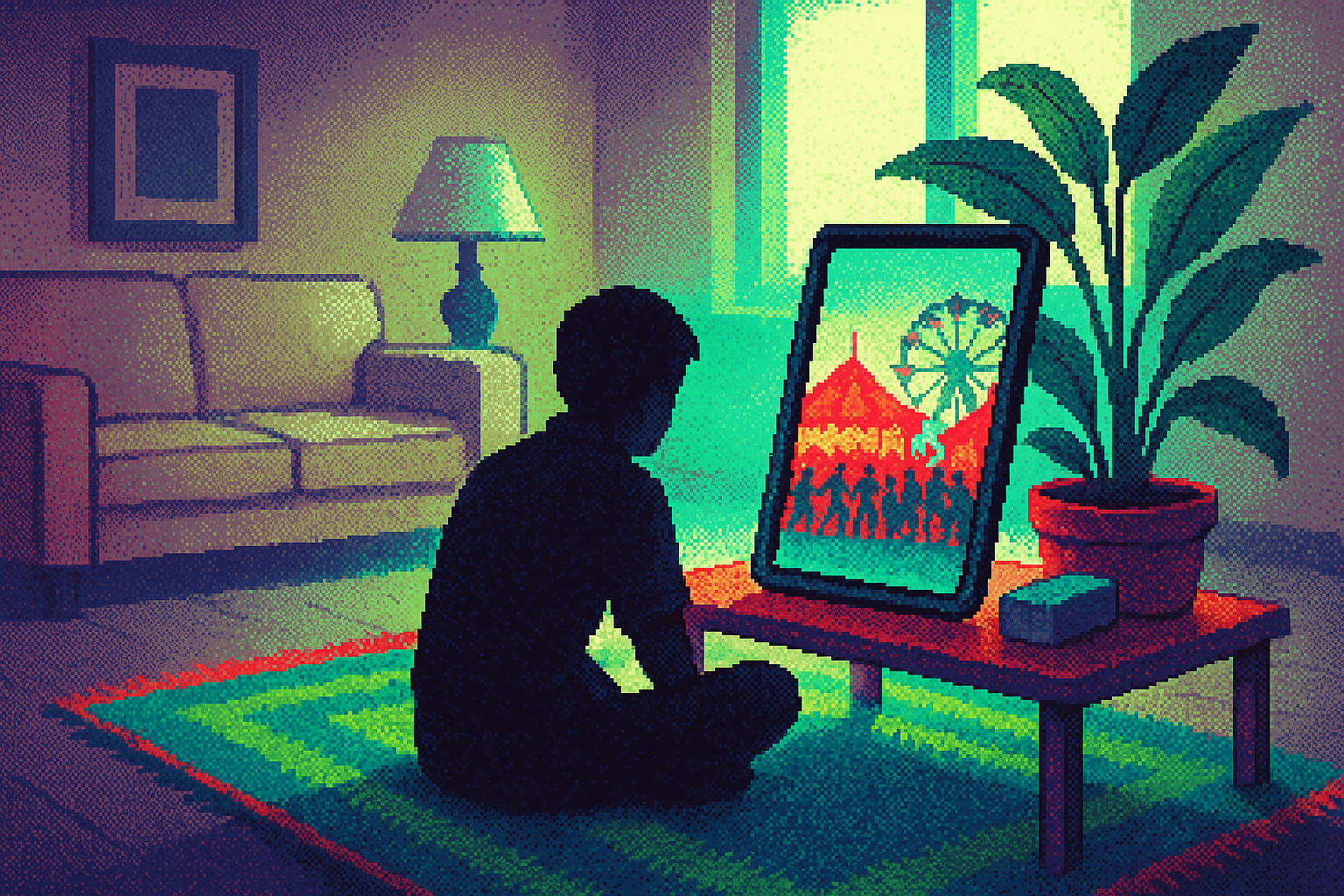
Tinder is not waiting for you to swipe more. It built a reality series. Double Date Island flies real users to Portugal with their best friends, and it premieres on TikTok, not on Tinder or a streamer. The casting card just shows up in your normal profile stack. You apply by swiping right on it.
Read that again. The app is using its core gesture to recruit for content that lives somewhere else. It ties back to the new Double Date feature, so the show is a working demo of the thing they want you to use. This is engagement stretched into branded entertainment. The app is not just the place you spend time. It is now a pipeline into a show designed to pull in even more.
The market that wants to spend less time
While Tinder chases more minutes, a $59 gadget called Brick is selling the opposite. It is a matchbox-sized NFC square. To unblock your apps, you have to physically walk over and tap your phone to it. That is the whole product.
The reason it works is friction. Screen Time and Digital Wellbeing are easy to dismiss with a tap. Brick co-founder TJ Driver put it plainly: software prompts are easy to bypass, and "what actually works is adding friction." A reviewer with a 30-minute social limit admitted she blew past it constantly, then found a piece of plastic did what no app ever could. There is real money in helping people close the app you are trying to keep open.
When your users feel used
Brick is not a niche. Driver frames the whole screen-time movement as "reclaiming agency and being intentional again." People are buying dumb phones and hacking flip phones to escape apps built to hold them. That is a signal about how your own users may feel about your product.
The nicotine story sits right next to this. Influencers are selling nicotine pouches and gums as focus tools, and doctors told The New York Times the claims are exaggerated. The tell is buried in the numbers: about half of smokers try to quit each year, and only six percent do. The thing sold as feeling "locked in" becomes literal. When you optimize hard for stickiness, you can build the same trap, and users know it when they feel it.
The deep cut
Both Tinder and Brick made the same bet, that the phone is a stage you design. Brick's Driver said it best: design your environment so you "don't have to always be taxing your willpower." Tinder is designing the environment to pull attention out. Brick is designing it to hand attention back. Your team is choosing a side whether you name it or not.
So name it. Pick one metric that measures whether a session was worth your user's time, not just how long they stayed. Time-in-app is easy to grow and easy to resent. If your retention only holds because leaving is annoying, you have built a Brick problem, and someone will sell your users the way out. Bring that number to your next review and defend it.
Three questions for your team
- If we removed the friction that keeps people from closing our app, would our retention hold? If not, what are we actually selling?
- Do we have a single metric for a session being worth the user's time, and is anyone accountable for it the way they are for daily actives?
- Where are we borrowing another platform's attention, like Tinder did with TikTok, and does that pipeline serve our users or only our growth chart?