Articles
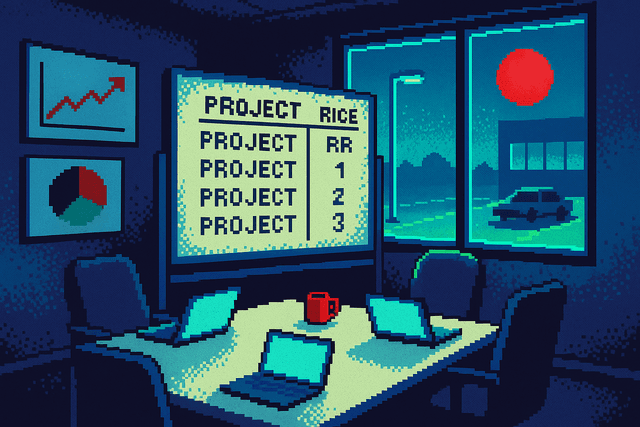
- A RICE Recipe Your Team Will Actually Use
Implementing the RICE framework effectively can transform subjective project prioritization into a data-driven process, helping teams focus on impactful initiatives and align their roadmaps with strategic goals.
- Map the Mind, Not the Clicks: Journey Maps for How People Really Decide
Journey maps that incorporate emotional and cognitive factors, rather than just steps, can reveal decision-making barriers and enhance customer acquisition and retention.
- Treat Onboarding as the Moment Users Decide to Stay
Treating onboarding as a core product feature rather than an afterthought can significantly improve user retention by delivering immediate value and aligning cross-functional teams on shared goals.
- Pick the Rating Scale the Evidence Supports
Choosing the right rating scale based on research rather than aesthetics can enhance data reliability and validity, impacting how well you understand and predict user behavior.
- Dual-Track Is Two Kinds of Work, Not Two Teams
Dual-track agile emphasizes integrating discovery and delivery work within a single team, enhancing product success by fostering continuous learning and collaboration without the pitfalls of traditional handoffs.
- Read the Map Before You Move: Using Maturity Models Without Fooling Yourself
Maturity models, when used as strategic maps rather than scorecards, can guide design and research teams in aligning their efforts with organizational goals, fostering informed decision-making and sustainable growth.
- The Triad Is Not a Seating Chart: Make PM, Design, and Engineering Actually Decide Together
Effective collaboration in product teams requires a clear, written agreement on roles and shared decision-making rituals, ensuring alignment and accountability beyond mere proximity of team members.
- Skip Research When It's Honest, Not When You're Scared
Understanding when to skip research can save time and resources, but product leaders must distinguish between genuine efficiency and fear-driven shortcuts to avoid costly mistakes and ensure informed decision-making.
- Your Churn Problem Is Probably Hiding in the First Session
Identifying and addressing gaps between signup and initial user engagement can significantly improve retention rates, highlighting the importance of refining onboarding processes to enhance long-term customer loyalty.
- Build a UX Benchmark You Can Track Over Years
Establishing a sustainable UX benchmarking process allows product teams to track improvements over time, ensuring design decisions are data-driven and aligned with user needs and industry standards.
- Listen to Customers, But Listen for the Right Thing
Understanding the 'why' behind customer behavior is crucial for product leaders, as relying solely on data can lead to misinterpretations and missed opportunities for meaningful product development.
- Stop Fighting for Scraps: How to Find Open Water When You're One of Many
Shifting focus from competing in saturated markets to identifying unmet needs and creating unique value can help businesses stand out and secure a sustainable competitive advantage.
- Stop Fighting About Backlog Formats. Pick the One That Fits the Question.
Choosing the right backlog format based on the specific question at hand can streamline workflows, reduce confusion, and ensure that teams focus on solving the right problems at the right time.
- Match the Prototype to the Question, Not the Tool
Prioritizing the right prototyping method based on specific uncertainties can save time and resources, ensuring that design teams focus on addressing real user needs rather than defaulting to familiar tools.
- Your MVP Is a Test, Not a Tiny Product
Reframing the MVP as a test rather than a product can accelerate learning, reduce development time, and focus efforts on validating the most critical assumptions, ultimately optimizing resources and decision-making.
- Two Lenses, One Problem: Why Design Thinking Needs Systems Thinking
Integrating systems thinking with design thinking helps teams address both user needs and systemic challenges, ensuring solutions are effective and consistent across all touchpoints, ultimately enhancing business outcomes and customer satisfaction.
- The PM Job Is Mostly Alignment, Not Backlog Grooming
Product leaders must recognize that effective product management prioritizes alignment and communication over backlog management, ensuring PMs focus on driving meaningful outcomes rather than merely tracking tasks.
- Draw a Hundred Sketches, Keep Two: Iteration as a Discipline, Not Agile Theater
Emphasizing rapid prototyping and discarding non-viable ideas early in the design process can lead to more effective product development, reducing costly iterations and fostering a culture of learning and innovation.
- Match the Interface to How Users Already Think
Aligning product interfaces with users' existing mental models enhances usability and reduces confusion, emphasizing the importance of understanding user expectations before design to minimize reliance on explanatory onboarding.
- Put a Dollar Figure on Design Before Someone Cuts Your Budget
Quantifying design's ROI by aligning it with business KPIs and conducting small, measurable tests can secure executive buy-in and protect budgets from cuts.